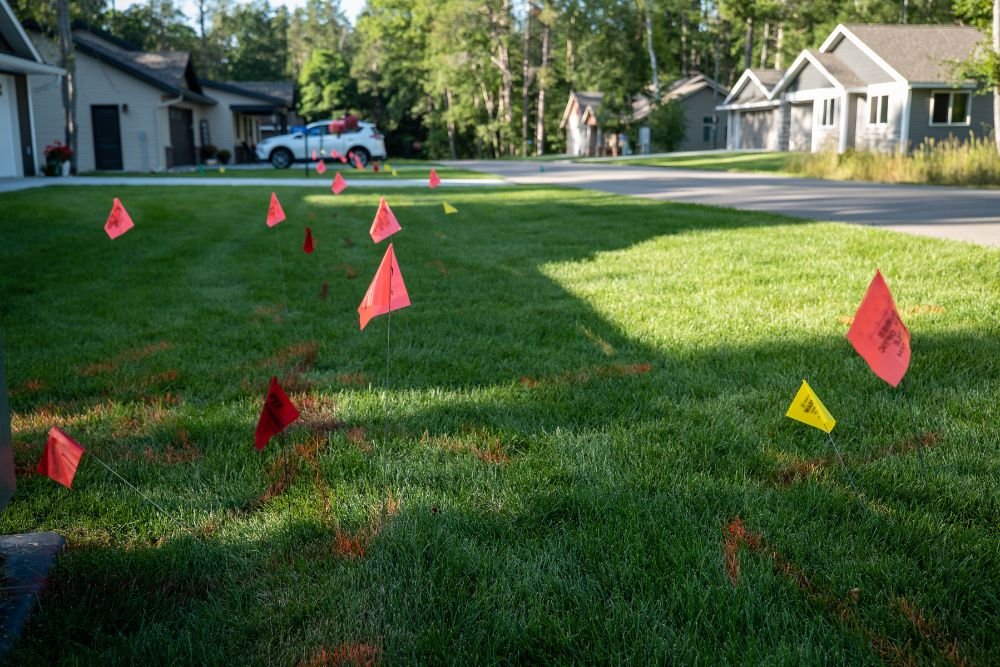
Planning a project that involves digging? Whether it’s for a new patio or just planting some shrubs, it's crucial to remember one vital step: call before you dig! Underground lines like electrical cables are often hidden from view and can be seriously damaged if struck.
By taking a few moments to contact your local call center, you can have these lines located before you begin digging. This simple action can prevent costly damage, potential injuries, and even save lives. Remember, it's always better to be safe than sorry.
- Make a phone call at 1-800-DIGSAFE.
- Let them know what you're doing.
- Get the "all clear" signal
Call Before You Dig: Safety First!
Before you commence any digging project, remember safety comes first. Hidden wires and pipes underground can cause serious harm if interrupted. To prevent injury and potential disruption, always call before you dig at least two weeks before starting your work. They will flag any buried lines so you can work with confidence.
- Remember
- Contacting
- Utilities
Avoid Pipeline Issues: Call Before You Excavate
Before you break ground for any project, whether you're undertaking, remember to call your local underground utility notification center. This simple step can avoid serious problems to vital utilities buried beneath the surface. Digging without knowing what's below can lead to hazardous situations, putting everyone at risk.
- No matter what| call 811 before you dig, even for small tasks like planting a tree or installing a fence.
- Trained locator will identify underground lines to prevent damage.
- Exercise caution and make that call before you dig.
Concealed Utilities, Secret Dangers: Always Call Before You Excavate
Before you swing that shovel or dig into your yard, remember the unseen world beneath your feet. Underground utilities like gas lines, water pipes, and electrical cables are vital to our daily lives, but they also pose a serious risk if disturbed. A simple misstep during excavation can result in injury, property damage, and costly repairs. To ensure your safety and avoid these potentially catastrophic situations, always call your local infrastructure locating service before you dig. This free service will map out the location of buried utilities in your area, allowing you to dig safely and responsibly.
- Connect with your utility companies directly for information about their specific requirements and procedures.
- Plan your excavation strategically to avoid high-risk areas like near sidewalks, driveways, and trees.
- Use caution when operating heavy machinery around potential utility lines. Always keep a safe distance.
Remember, calling before you dig is not just a suggestion – it's the law in most jurisdictions. By taking this simple step, you can help protect yourself, your property, and the vital infrastructure that keeps our communities functioning.
One Call Can Save Lives and Property: Dig Safely, Call Before You Go
Before you dig into the ground for any project, remember one simple rule: call before you go.
It's easy to overlook underground lines but they can cause serious injury.
A single phone call to your local utility organization can mark these vital infrastructures and prevent potentially tragic accidents.
Your security and the maintenance of valuable property depend on a simple action. Make that call today and excavate with care.
Before You Dig is Essential
Planning a new garden? Putting in a fence? Even simple tasks like planting trees can present hidden dangers if you're unaware of underground utilities. That's where calling before you dig comes in! It's a free service that connects you with local utility companies so they can flag the spot of their lines and prevent accidental damage. Ensuring this simple step, you protect yourself, your property, and Fort Lauderdale homes for sale the vital infrastructure that keeps our communities running smoothly.
- Invariably call before you dig, even for small projects.
- Pinpoint utility lines at least two days before digging.
- Remember that buried utilities may consist of gas, water, electric, and communication lines.